
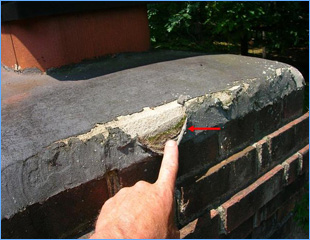
Importance of Routine Chimney Maintenance
Do you need routine chimney maintenance? The short answer is yes!
A well-maintained chimney is essential for home safety and efficient heating. Neglecting your chimney can lead to serious risks, including house fires, carbon monoxide poisoning, and costly structural damage. Regular inspections and cleanings help ensure your fireplace operates safely and effectively.
That said, most homeowners will require professional services to keep their chimneys clean. Today, we will share a quick article about the benefits and importance of regular chimney maintenance!
What is Chimney Maintenance?
Chimney maintenance is essential for safety and efficiency, and it all starts with a professional inspection to check for soot buildup, blockages, or structural damage. A chimney sweep removes creosote, a highly flammable residue that accumulates from burning wood. This prevents chimney fires and ensures proper ventilation. The flue liner or masonry cracks are repaired to avoid leaks and heat damage.
The chimney cap and flashing are also checked to keep out moisture, debris, and animals. Homeowners should also monitor for signs of issues, such as smoke backing up or unusual odors. Regular maintenance, typically once a year, helps extend the chimney’s lifespan and prevents costly repairs. Gas fireplaces require checking for vent obstructions and ensuring burners function properly. Proper chimney care enhances heating efficiency and reduces health hazards like carbon monoxide exposure. Hiring a certified chimney professional ensures thorough maintenance and safety compliance.
Why Chimney Maintenance Matters
- Fire Prevention: Chimney fires often result from creosote buildup—a highly flammable residue from burning wood. Regular chimney sweeping removes creosote, reducing the risk of dangerous flare-ups that can catch your roof and home on fire.
- Carbon Monoxide Safety: A blocked or poorly maintained chimney can prevent proper ventilation, causing carbon monoxide—a colorless, odorless, and deadly gas—to build up inside your home. Routine inspections help detect and resolve blockages.
- Structural Integrity: Over time, moisture and temperature changes can deteriorate the chimney’s masonry, leading to cracks, leaks, and weakened structural integrity. Addressing these issues early prevents costly repairs.
- Pest Prevention: Birds, squirrels, and other small animals may nest in chimneys, obstructing airflow and increasing fire risks. Installing a chimney cap helps keep wildlife out.
Best Practices for Chimney Care
Most homeowners don’t like getting on their roof and we don’t blame them! Anytime ladders are involved, things can get risky. On top of that, most people aren’t masons with tons of concrete, brick, and chimney experience. So what are your options then?
Here are five quick ways to stay on top of your routine chimney care:
- Annual Inspections: Hire a certified chimney sweep to inspect and clean your chimney at least once a year.
- Proper Wood Usage: Burn only seasoned hardwood to minimize creosote buildup.
- Check for Cracks and Leaks: Look for signs of deterioration and promptly address repairs.
- Install a Chimney Cap: Prevent debris, animals, and excessive moisture from entering your chimney.
- Ensure Adequate Ventilation: Always open the damper before lighting a fire to allow smoke to escape.
The Verdict –
Regular chimney maintenance is a small investment that protects your home and loved ones. Keeping your chimney in good working order reduces the risks of fire, carbon monoxide poisoning, and structural damage, ensuring a safer and more efficient heating system. Schedule an inspection today with a local chimney expert, and if they need certified products, be sure to let us know! We are the leader in top chimney construction products!
Frequently Asked Questions About Chimney Maintenance
How often should a chimney be inspected?
Most chimneys should be professionally inspected at least once a year, even if the fireplace is only used occasionally. An annual inspection can identify creosote buildup, damaged masonry, blocked ventilation, moisture problems, and other safety concerns before they become more serious.
How do I know if my chimney needs to be cleaned?
Common signs include strong smoky odors, smoke entering the room, visible soot buildup, reduced airflow, falling debris, or a thick, dark coating inside the chimney. However, some problems are difficult to see, which is why a professional inspection of the exterior of your home and chimney is recommended.
Can I clean my chimney myself?
Homeowners can handle basic tasks such as checking the chimney cap and keeping the fireplace area clean, but a full chimney cleaning is generally best left to a trained professional. Chimney work like plumbing or electrical may require specialized equipment, roof access, and the ability to identify structural or ventilation problems.
Do gas fireplaces and chimneys require maintenance?
Yes. Although gas fireplaces do not produce the same amount of creosote as wood-burning fireplaces, their vents, burners, flue liners, and connections still need to be inspected. Blockages, damaged components, and improper ventilation can affect performance and increase the risk of carbon monoxide entering the home.